Freeze or Squeeze?
⚠️ The Situation
Two hours ago, you watched an oxygen tank tear apart the Service Module. Now the damage is closing in on the crew:
- Command Module "Odyssey" is losing power and oxygen rapidly—its fuel cells are dying
- Cabin heat comes from electrical systems—must shut down to save batteries for re-entry
- Temperature in a powered-down CM will drop to near freezing (38°F)
- Lunar Module "Aquarius" was designed for 2 people for 2 days
- The crew needs life support for 3 people for almost 4 days to get home
🤏 SQUEEZE
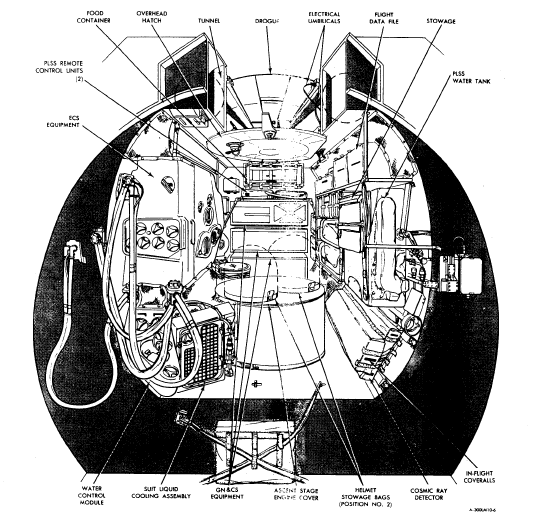
Move to Lunar Module "Aquarius"
✓ Advantages
- Power available from LM batteries
- Life support systems functional
- Oxygen reserves sufficient for journey
- Can survive the nearly-4-day trip home
✕ Disadvantages
- Extremely cramped (~160 cubic feet for 3 people)
- Designed for 2, now holding 3
- Moving disturbs others—no one can sleep
- Still cold—the cabin will fall to around 49°F, condensation on walls
- Power and water still very tight
🥶 FREEZE
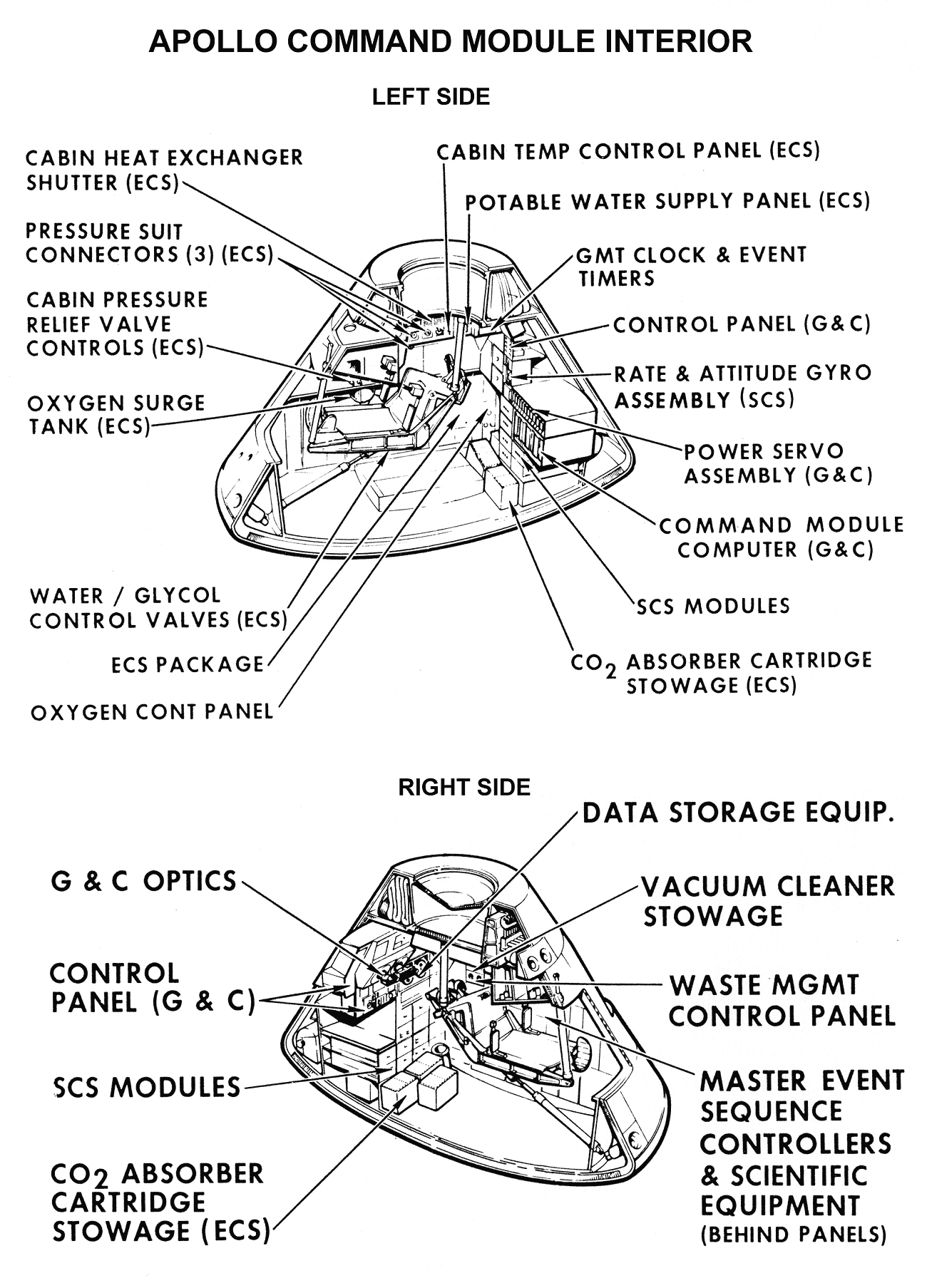
Stay in Command Module "Odyssey"
✓ Advantages
- More spacious (~210 cubic feet)
- Familiar systems and controls
- Only module with heat shield for re-entry
- More comfortable for crew
✕ Disadvantages
- No power = no heat, crew will freeze
- Limited oxygen remaining
- No active life support systems
- Crew will not survive 4 days
🤔 WHAT SHOULD THE CREW DO?
👆 Choose one of the options above 👆